
In the industrial manufacturing and logistics sectors, selecting the right heavy duty casters is not just about supporting weight—it's about ensuring operational efficiency, safety, and long-term cost-effectiveness. For professional B2B buyers and equipment manufacturers, a caster is a critical engineering component that defines the mobility of an entire system.
At KOCO, we specialize in high-performance mobility solutions. In this guide, we will break down the technical factors that determine caster quality and how to choose the right partner for your supply chain.
1. Choosing the Right Tread for the Environment
The "ideal" caster doesn't exist; only the most suitable material for a specific application does. At KOCO, we focus on three core materials engineered for heavy-duty performance:
High-Elasticity Polyurethane (PU): Ideal for modern factories with epoxy floors. PU casters offer excellent floor protection, high rebound resilience, and noise reduction while carrying immense loads.
Reinforced Nylon: Built for heavy-duty industrial environments where chemical resistance and high load capacity are paramount. These wheels are nearly indestructible and perform exceptionally well on smooth concrete floors.
Silent TPR (Thermoplastic Rubber): Designed for environments where noise pollution is a concern, such as medical facilities or high-end commercial spaces. It combines the grip of rubber with the durability of plastic.
2. The Core of Mobility: Why Double Ball Bearings Matter
A heavy-duty caster is only as good as its rotation. While many budget suppliers use friction bearings or single-row balls, KOCO’s heavy-duty series utilizes precision Double Ball Bearings.
Why does this matter for B2B procurement?
Reduced Starting Resistance: Even at maximum load capacity, double ball bearings allow workers or AGVs to move equipment with minimal effort.
Impact Resistance: They distribute vertical and horizontal stress more evenly, preventing the "wobble" that leads to premature caster failure.
Longevity: For high-frequency use in warehouses, double ball bearings significantly extend the replacement cycle, lowering the Total Cost of Ownership (TCO).
3. Beyond the Product: KOCO B2B Supply Chain Advantage
For international procurement managers, the product is only half of the equation. The reliability of the supplier is the other half. KOCO has optimized its manufacturing process to meet the rigorous demands of the global market.
Efficient Lead Times: In an era of supply chain volatility, we offer a stable 15-30 day delivery cycle, ensuring your production lines or distribution centers never face downtime.
Quality-Focused MOQ: To maintain high-standard manufacturing and competitive wholesale pricing, we set a minimum order quantity (MOQ) of $5,000 USD. This allows us to dedicate our precision production lines to serious industrial partners.
Global Compliance: Our products are engineered to meet international safety and durability standards, ensuring they perform in the most demanding global environments.
4. Selection Checklist for B2B Buyers
Before placing your next bulk order, ask your engineering team these four questions:
Floor Surface: Is it rough asphalt or delicate epoxy? (Choose between Nylon and PU).
Environmental Factors: Will the casters be exposed to moisture, chemicals, or extreme temperatures?
Dynamic vs. Static Load: Are the casters for long-term storage or high-speed towing?
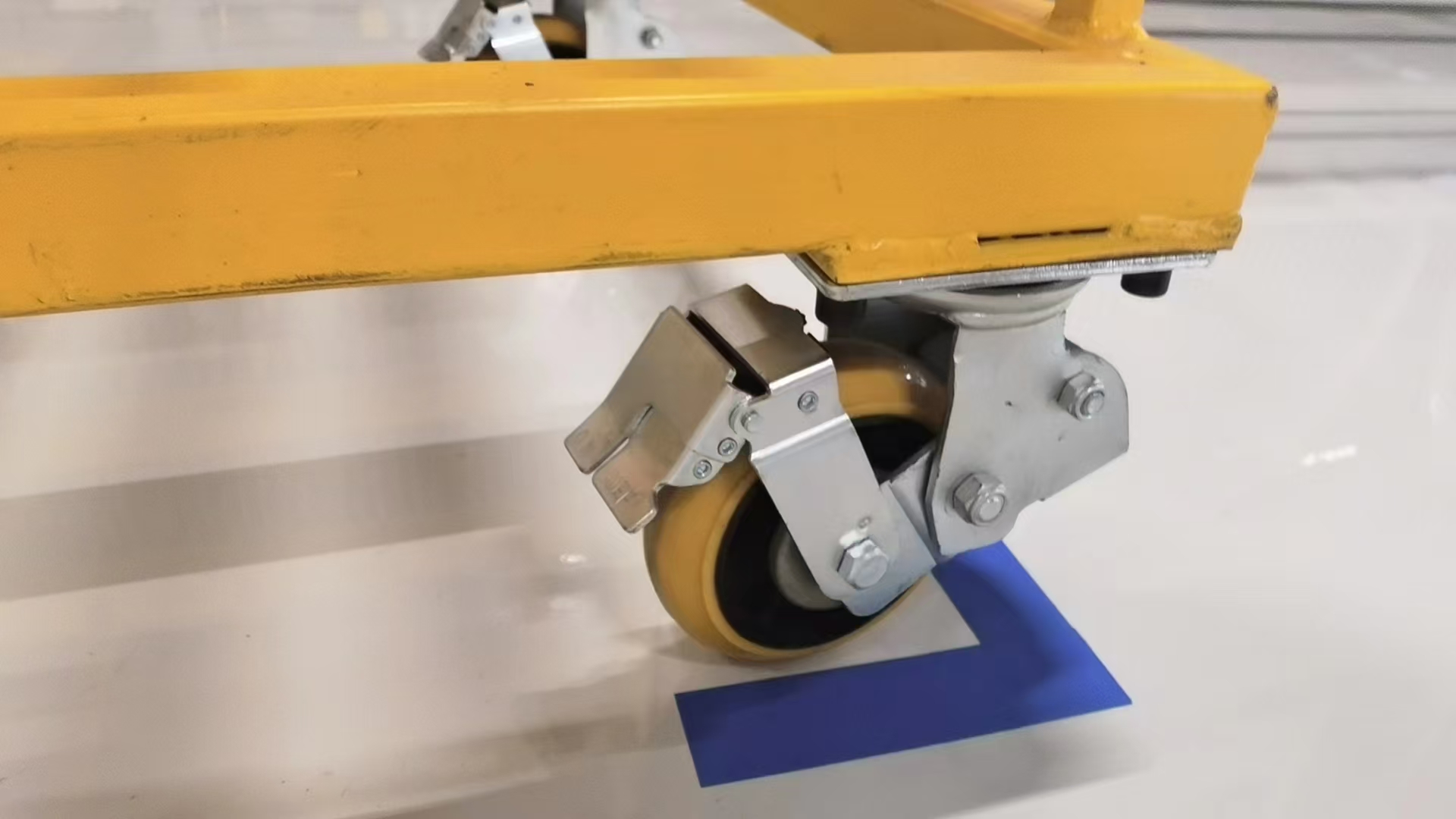
Safety Requirements: Do you need total-lock brakes or directional locks for sloped terrain?
Choosing the right heavy-duty casters is an investment in your equipment’s lifespan and your team’s safety. As a leading brand, KOCO provides more than just wheels; we provide "Mobile Security" for your industrial assets.
Are you looking for a reliable Heavy Duty Caster manufacturer for your next project?
[Contact KOCO Today for a Technical Consultation and Quote]
